
This practical The 4-Hour Workweek summary breaks down how Tim Ferriss’s iconic lifestyle design framework applies directly to our modern world of artificial intelligence and automation tools. When Tim Ferriss wrote The 4-Hour Workweek back in 2007, modern AI tools did not exist. There were no autonomous agents to draft emails, generate structured spreadsheets, or optimize publishing schedules. Yet reading this framework today makes it feel more relevant than ever.
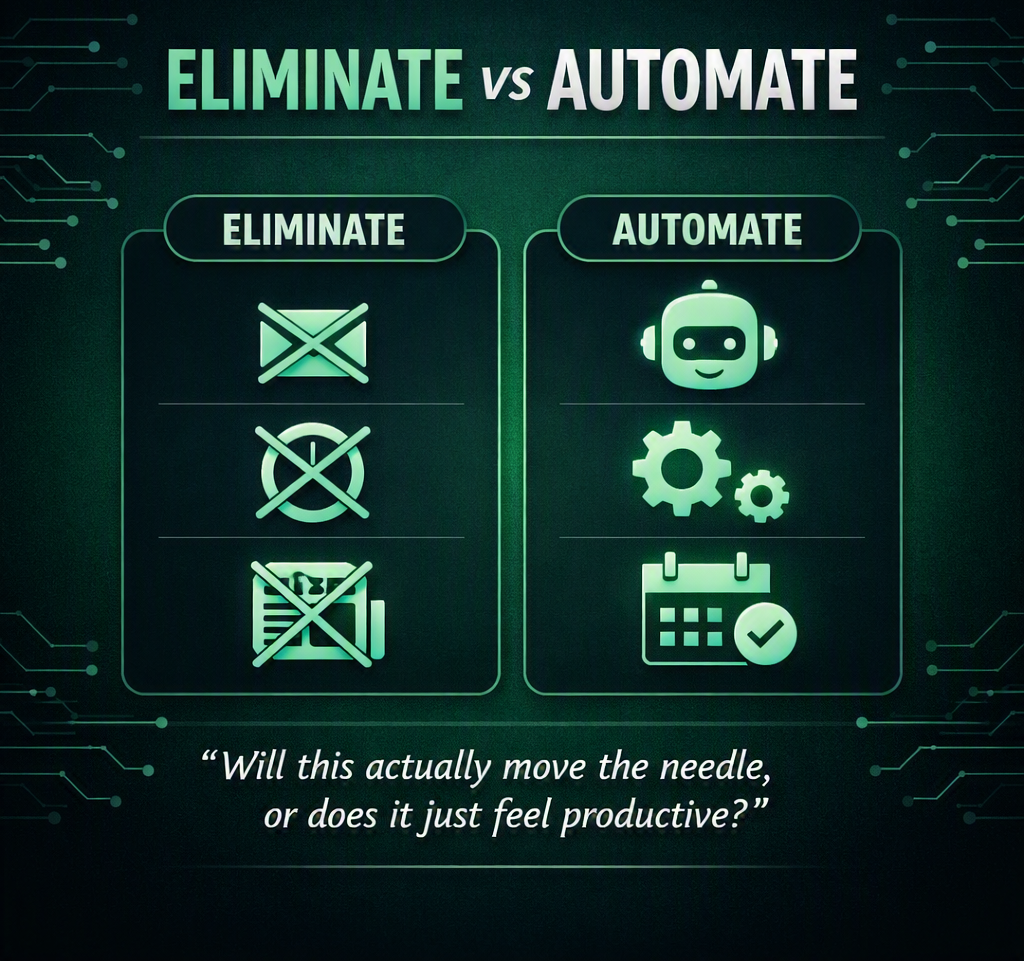
This isn’t a generic book review. I’m breaking down actionable The 4-Hour Workweek summary insights through the lens of a modern creator leveraging smart automation tools. Ferriss’s underlying principle was never just about lounging on a beach; it was about designing a lifestyle where your focus goes toward high-leverage priorities while eliminating or automating the rest.
1. The Core DEAL Framework
Ferriss structures his lifestyle design methodology around four clear pillars:
- Definition: Redefining retirement, goals, and metrics of success
- Elimination: Ruthlessly cutting low-value tasks and distractions
- Automation: Building digital systems and AI workflows that run 24/7
- Liberation: Removing location constraints and constant presence
While all four pillars matter, Elimination and Automation map most directly to building sustainable digital workflows and smart mindful money management practices.
2. Elimination: The 80/20 Rule Applied to Creative Work
Ferriss relies heavily on the Pareto Principle: approximately 80% of your results stem from just 20% of your efforts. Most daily operational tasks create an illusion of productivity without driving meaningful growth.
- Low-Value Busywork (80% Waste): Manual formatting, answering routine comments individually, researching foundational topics from scratch, and tweaking design pixels manually.
- High-Leverage Focus (20% Needle-Movers): Developing unique insights, refining your authentic voice, building strategic partnerships, and designing long-term content roadmaps.
The creative voice and strategic decision-making represent your true 20%. Routine administrative overhead should be systematically eliminated or delegated.
3. Automation: Where Modern AI Replaces Outdated Outsourcing
In 2007, automation required hiring overseas virtual assistants or setting up complex autoresponders. Today, modern AI tools handle those exact functions with zero latency:
- Task Delegation: Where Ferriss hired virtual assistants to handle inbox triaging, modern AI agents summarize threads and prepare drafts instantly.
- Rapid Research: Instead of outsourcing desk research, smart research engines synthesize hours of reading into core takeaways within seconds.
- Content Batching: Ferriss emphasized batching tasks to minimize context switching. Using AI frameworks allows you to outline, draft, and structure a full week of creative assets in a single focused session.
Understanding how to prompt and manage AI workflows is simply modern delegation literacy.
4. Key The 4-Hour Workweek Summary Takeaways for Digital Creators
To build sustainable digital systems without burnout, apply these core principles directly to your routine:
- Audit Your 20%: Pinpoint the exact creative tasks that demand your personal voice and intuition, then automate secondary formatting and outlining steps.
- Implement a Low-Information Diet: Cut out redundant AI newsletters, repetitive tool listicles, and speculative noise that do not directly improve your current projects.
- Automate Before You Scale: Set up reusable templates, structured scheduling pipelines, and automated asset generation before taking on new projects.
- Decouple Presence from Output: Design publishing calendars and structured workflows so your platform continues operating smoothly even when you take time away from your desk.
5. What the Lifestyle Design Model Gets Wrong
While the book provides powerful mental models, the premise requires nuance:
- Heavy Upfront Effort: Establishing reliable automated systems requires intense, deliberate work before any passive benefits materialize. Freedom is not an overnight shortcut; it is the byproduct of structured upfront architecture.
- The Risk of Over-Automating: Outsourcing your core thinking, artistic perspective, or authentic voice results in bland, homogenized output. Automation should safeguard the mechanical backend—never the soul of your work.
Final Thoughts
This The 4-Hour Workweek summary highlights a simple truth: the ultimate goal is not working less for the sake of idleness, but directing your finite energy toward what truly matters. With AI democratizing automation, success comes down to knowing exactly what to hand off and having the discipline to focus solely on your highest-impact work.
Join the Conversation
Have you started using AI workflows to automate repetitive tasks in your daily routine? Which time-consuming task are you planning to eliminate next? Let me know in the comments below!