
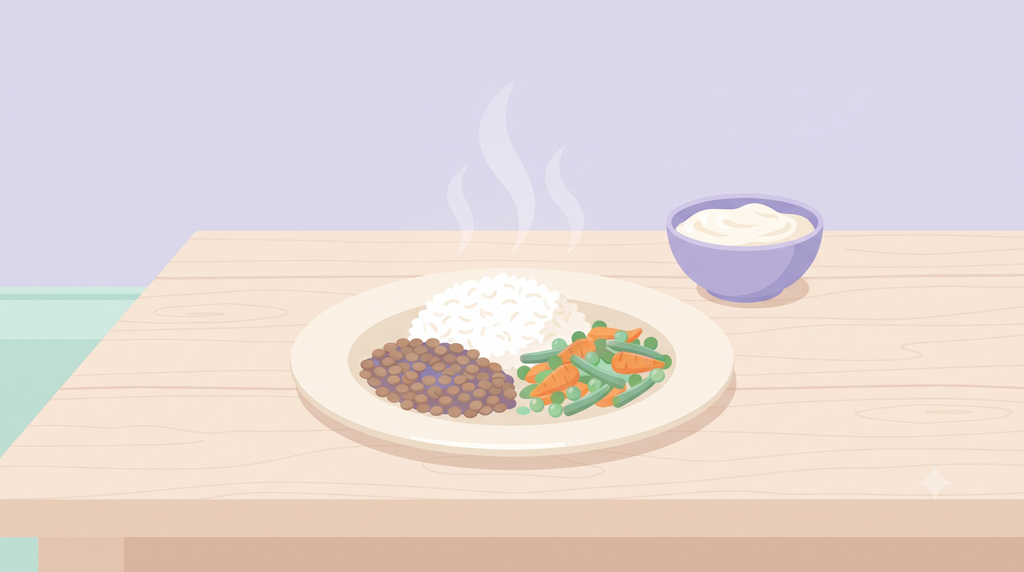
Default meals are a short list of go-to breakfasts, lunches and dinners that you already like, can cook easily and can make without thinking. Instead of asking “What should I cook today?” every single day, you simply pick from your list. That one small change can remove a surprising amount of daily stress. 🌿
Welcome to Day 14 of the New Year Prep series. Yesterday you completed your health reset. Today we make healthy eating easier by building your default meals, with a little AI help for the planning. In this guide, you’ll follow 7 simple steps to create a meal system that fits your family, your budget and your real life.
If you missed it, start with Day 13: Health Reset and Day 11: Build Your 2027 Money Plan, because food is one of the biggest parts of any budget.
A kind note: this post is general information, not medical or nutrition advice. If you have allergies, a health condition, are pregnant or have special dietary needs, please check with a qualified doctor or dietitian.
🌟 Why Default Meals Work
Every decision uses mental energy. Researchers describe decision fatigue as the idea that making many decisions can make later choices harder. By evening, after a long day, “What’s for dinner?” can feel like the hardest question in the house.
Default meals solve this by deciding in advance. They also help you:
- Save money: fewer last-minute takeaways and impulse grocery trips
- Waste less food: you buy only what your meals need
- Eat better: simple, familiar meals are easier to keep healthy
- Feel calmer: the daily decision is already made
👀 Step 1: Notice How You Really Eat
Before you build anything, look at your current pattern for three days. Write down what you actually eat, not what you wish you ate. Then ask:
- Which meal is the most stressful? (For many people it’s dinner.)
- When do I order food or grab something quick?
- Which meals does my family always enjoy?
- What do I cook when I’m tired?
These answers show you where default meals will help most. Don’t judge. You’re gathering information.
🍳 Step 2: Choose Three Default Breakfasts
Breakfast is the easiest place to start. Choose three options that take 15 minutes or less and use ingredients you enjoy. A few ideas to spark your own list:
- Oats or porridge with fruit and nuts
- Vegetable poha or upma
- Eggs or paneer with toast or roti
- Yogurt with fruit and seeds
- Idli or dosa with chutney (using ready batter on busy days)
Write your three on a card. You don’t need variety every day. Repeating a good breakfast is perfectly fine.
🍛 Step 3: Choose Three or Four Lunches and Dinners
Now pick three or four lunch and dinner options. A helpful formula is to include a base, a protein, a vegetable and something simple on the side. For example:
- Dal, rice and a vegetable stir-fry
- Roti with a vegetable curry and curd
- A big vegetable and bean or lentil soup with bread
- Pasta or noodles loaded with vegetables
Include at least one “lazy dinner” that takes 10 to 15 minutes and requires almost no thinking. It’s your rescue meal for the nights when energy is low.
🆘 Step 4: Add Snacks and an Emergency Meal
Healthy habits need backup plans. Add two small lists:
- Snacks (3 to 5): fruit, roasted chana, nuts, curd, sprouts, a boiled egg
- Emergency meals (2): khichdi, egg fried rice, a sandwich or anything made from pantry staples in 10 minutes
Having an emergency meal ready means you won’t order food just because you’re tired. You’ll still enjoy your treats and eating out, since default meals simply make the everyday easier.
📅 Step 5: Build Your Weekly Rotation and Grocery List
Now place your meals into a simple weekly rhythm. Here’s a sample to inspire you:
| Day | Lunch | Dinner |
|---|---|---|
| Monday | Dal, rice and vegetables | Soup and bread |
| Tuesday | Roti, curry and curd | Lazy dinner |
| Wednesday | Dal, rice and vegetables | Veggie pasta |
| Thursday | Roti, curry and curd | Soup and bread |
| Friday | Leftovers | Family’s choice |
| Saturday | Eat out or something fun | Lazy dinner |
| Sunday | Prep day lunch | Roti, curry and curd |
Then build a standing grocery list of the basics your meals use: grains, lentils, spices, oil, vegetables, fruit, curd or milk, eggs and snacks. Keep it in your phone notes and update it weekly. A list based on your default meals makes shopping faster and cheaper.
🤖 Step 6: Let AI Help You Plan
AI tools like ChatGPT, Gemini or Claude can build your rotation and grocery list in minutes. Try this prompt, and replace the details with your own:
Help me create 7 days of default meals for a family of [number]. We eat [vegetarian / non-vegetarian / other], our budget is [budget], and I want meals that take under 30 minutes. Give me 3 breakfasts, 4 lunches and dinners, 1 lazy dinner, and a combined grocery list grouped by category.
And this one to reduce waste:
I have these ingredients at home: [list]. Suggest three simple meals I can make with them, plus what I should buy to complete each.
Important: AI is a planning helper, not a dietitian. Always adjust meals for allergies, health conditions and your family’s needs, and check with a qualified professional for medical diets.
🥣 Step 7: Prep Once and Review Monthly
A little preparation makes default meals effortless. Choose a 30-minute prep slot each week, such as Sunday:
- Wash and chop vegetables for the first few days
- Soak lentils or cook a base like rice or dal
- Prepare a chutney, sauce or marinade
- Portion snacks into small containers
Follow your rotation for four weeks, then review it. Ask: Which meals did we love? Which felt like a chore? Replace one or two meals each month and keep the rest. Your list will gradually become a collection of true favorites.
✅ Default Meals Checklist
- ☐ Tracked my real eating pattern for three days
- ☐ Chose three default breakfasts
- ☐ Chose three or four lunches and dinners, including one lazy dinner
- ☐ Added snacks and two emergency meals
- ☐ Built a weekly rotation and a standing grocery list
- ☐ Used AI to refine my plan
- ☐ Set a 30-minute weekly prep slot
- ☐ Scheduled a monthly review
❓ Default Meals: Frequently Asked Questions
What are default meals?
They’re a short list of simple, familiar meals you can cook easily, so you don’t have to decide what to eat from scratch every day.
Won’t I get bored eating the same things?
Rotate your list, change the sides and spices, and swap one or two meals each month. Many families enjoy the ease so much that they don’t miss the endless variety.
How do default meals save money?
You buy only what your meals need, waste less food and order takeaway less often because a plan is already in place.
What if my family has different preferences?
Build a base meal and let everyone customize their toppings or sides. Involve them in choosing the list, and they’ll be more likely to enjoy it.
🌿 Final Thoughts
Default meals aren’t about strict rules. They’re about giving your brain a break and your family regular, nourishing food without the daily stress. Start with just breakfast if that’s all you have energy for this week.
Tomorrow, on Day 15, we’ll create your movement routine, so your body gets care too. And if you’d like all the New Year Prep worksheets in one place, grab the Ultimate New Year Prep Guide from The Mindful Studio Shop.
Now it’s your turn: what is your favorite go-to meal? Share it in the comments. I’d love to cheer for you! 👇
Pingback: Movement Routine: 7 Powerful Steps to Build Yours
Pingback: Sleep Routine: 7 Powerful Steps to Sleep Better Tonight