
A movement routine is a simple, realistic plan for moving your body regularly, in ways you actually enjoy. It doesn’t require a gym membership, expensive equipment or an hour of free time. It just needs a starting point small enough that you can keep going when life gets busy. 🌿
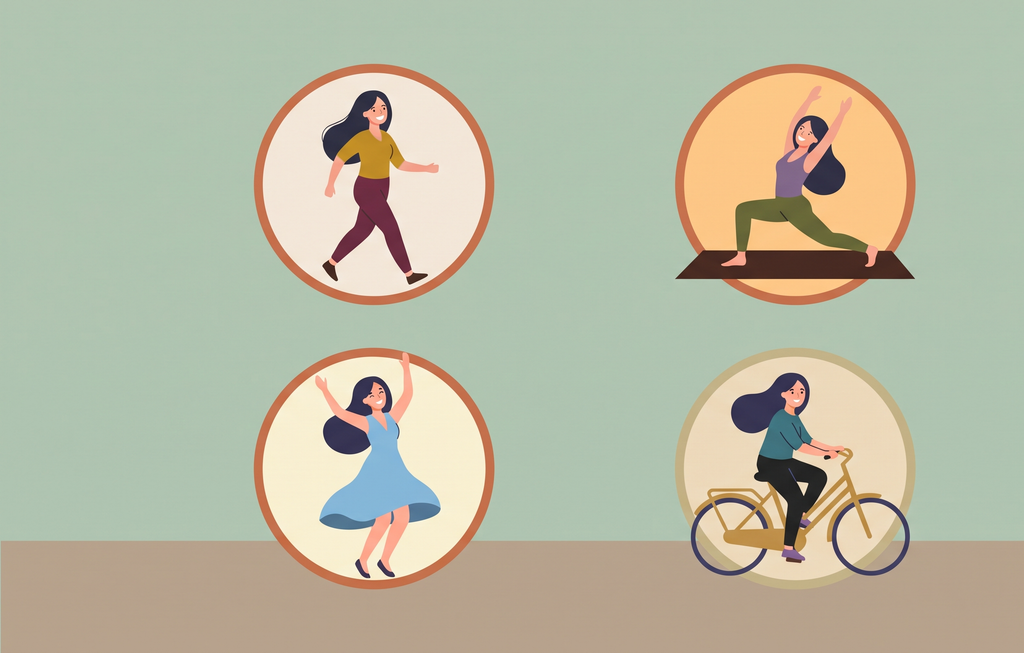
Welcome to Day 15 of the New Year Prep series. Yesterday you built your default meals. Today we add the next piece of your health puzzle: a movement routine you can stick to all year. In this guide, you’ll follow 7 gentle steps, with AI tools helping you plan.
If you missed them, read Day 14: Build Your Default Meals and Day 13: Health Reset. Your health check-in will make today much easier.
A kind note: this post is general information, not medical advice. If you have a health condition, pain, an injury, are pregnant or are new to exercise after a long break, please talk to a doctor before starting a new routine.
🌟 Why a Movement Routine Matters
Regular movement supports your energy, mood, sleep and strength. The World Health Organization’s physical activity guidance suggests that most adults benefit from a weekly mix of moderate activity and muscle-strengthening exercise. Your doctor can tell you what level is right for you.
The most important point is that consistent and small beats intense and occasional. A ten-minute walk done five days a week is far more powerful than a heroic workout you do once and then abandon. That’s why a movement routine starts small.
🔍 Step 1: Check In With Your Body and Your Calendar
Before you choose anything, ask two honest questions.
About your body:
- How is my energy during the day?
- Is anything stiff, painful or limiting?
- What kind of movement feels good right now?
About your calendar:
- Which part of the day is most realistic: early morning, afternoon or evening?
- How many minutes can I honestly give: 10, 15 or 20?
- Where can I move: at home, nearby park or terrace?
Write your answers down. Your routine must fit the life you have, not the life you imagine.
💃 Step 2: Choose Movement You Enjoy
You’re far more likely to keep a routine you like. Circle a few from this list:
- Walking, jogging or cycling
- Yoga or gentle stretching
- Dancing to your favorite music
- Bodyweight exercises at home
- Swimming or water exercises
- Gardening, playing with children or active household tasks
- Following a beginner video
Don’t choose what you think you should do. Choose what you’re curious about or what you’ve enjoyed before. Pick two or three options to start.
🌱 Step 3: Start With a Minimum Version
This is the secret of every lasting routine. For each activity, create a minimum version so small that it feels almost too easy:
- Walk for 10 minutes, or just put on your walking shoes and step outside
- Stretch for 5 minutes after waking up
- Do one song’s worth of dancing
On good days, you’ll naturally do more. On hard days, the minimum version still counts, and it keeps your habit alive. A habit forms through repetition, so showing up matters more than the size of the effort.
📅 Step 4: Build Your Weekly Plan
Now place your movement into a simple weekly rhythm. A balanced week includes cardio, strength, flexibility and rest. Here’s a gentle sample for a beginner:
| Day | Movement | Time |
|---|---|---|
| Monday | Brisk walk | 15 minutes |
| Tuesday | Gentle stretching or yoga | 10 minutes |
| Wednesday | Bodyweight strength (squats, wall push-ups) | 15 minutes |
| Thursday | Brisk walk | 15 minutes |
| Friday | Dance or active play | 15 minutes |
| Saturday | Family outing or longer walk | 20-30 minutes |
| Sunday | Rest or very gentle stretching | 5-10 minutes |
Adjust the days, times and activities to match your life. Always include at least one rest day, because recovery is part of the plan.
⚓ Step 5: Attach Movement to Something You Already Do
Habits stick when they have a trigger. Use habit stacking: connect your new movement to an existing habit.
- “After I make my morning tea, I’ll stretch for five minutes.”
- “After I drop the kids at school, I’ll walk for 15 minutes.”
- “After I finish dinner, I’ll take a short walk.”
Also prepare your environment the night before: keep your shoes by the door, your yoga mat visible and your phone charged. The fewer steps between you and the habit, the easier it gets.
🤖 Step 6: Use AI and Technology Wisely
AI tools can create a plan that matches your goals, schedule and level. Try this prompt:
Create a 4-week beginner movement plan for me. I can spend [10-20] minutes a day, [5] days a week, at home with no equipment. Include walking, gentle strength and stretching, with a rest day. Give me a minimum version for busy days and keep it simple.
You can also ask AI to:
- Create a printable weekly tracker
- Suggest a beginner stretching routine
- Write a motivating reminder message for your phone
A phone’s built-in step counter or health app can help you notice progress, but don’t let numbers control you. If tracking makes you anxious, skip it.
Important: AI is a planning tool, not a doctor or a trainer who can see your body. Stop any exercise that causes pain, dizziness or discomfort, and seek professional advice for medical concerns.
🛡️ Step 7: Plan for Obstacles and Review Monthly
Every routine meets obstacles, so plan for them now:
- Bad weather: keep an indoor option, like stretching or dancing at home
- Busy day: do the minimum version, even for two minutes
- Low energy: swap exercise for a gentle walk or stretching
- Missed day: apply the restart rule and carry on tomorrow, with no guilt
Do a quick monthly review. Ask: Which movement did I enjoy? What got in the way? What can I adjust? Celebrate non-scale wins too: more energy, better mood, easier stairs and better sleep. Those are the real rewards.
✅ Movement Routine Checklist
- ☐ Checked in with my body and my calendar
- ☐ Chose two or three movements I enjoy
- ☐ Created a minimum version for each
- ☐ Built a weekly plan with at least one rest day
- ☐ Attached movement to an existing habit
- ☐ Used AI to create a simple plan
- ☐ Planned for obstacles
- ☐ Scheduled a monthly review
❓ Movement Routine: Frequently Asked Questions
How much movement do I need to start?
Start with 10 minutes a day or even less. Once the habit feels natural, you can slowly add more with your doctor’s guidance.
What if I don’t have time?
Break movement into small pieces: five minutes after waking up, five after lunch and five in the evening. Short bursts still count.
What if I miss a few days?
That’s normal. Return to your minimum version and restart without guilt. One missed day doesn’t undo your progress.
Do I need a gym or equipment?
No. Walking, stretching and bodyweight exercises at home are a great start. You can add equipment later if you want.
🌿 Final Thoughts
A movement routine isn’t about punishing your body. It’s about thanking it for everything it does for you. Start small, choose what feels good and let your routine grow at its own pace.
Tomorrow, on Day 16, we’ll fix your sleep routine, because rest is what makes movement and meals work. And if you’d like all the New Year Prep worksheets in one place, grab the Ultimate New Year Prep Guide from The Mindful Studio Shop.
Now it’s your turn: what is the one movement you’ll start with? Share it in the comments. I’d love to cheer for you! 👇